Introduction
Backpacks occupy a strange spot in the world of everyday gear: they’re something almost everyone owns, yet the differences between a genuinely reliable one and a mediocre one often only become obvious after months of daily use — a zipper that starts to stick, straps that dig in after a long day, or a main compartment that never quite organizes itself no matter how it’s packed. For students, commuters, and anyone hauling a laptop or a stack of books around regularly, those small frustrations add up.
The general problem a simple, single-compartment backpack is designed to solve is fairly straightforward: provide a durable, no-frills way to carry everyday items without unnecessary bulk, excess pockets that never get used, or an overly complicated design that adds weight without adding function. The JanSport SuperBreak One fits into that category, building on a design lineage the brand has offered in various forms for years. This article takes an independent, educational look at what the backpack offers, how it’s constructed, and what might be worth thinking through before it becomes part of a daily routine.
Product Overview
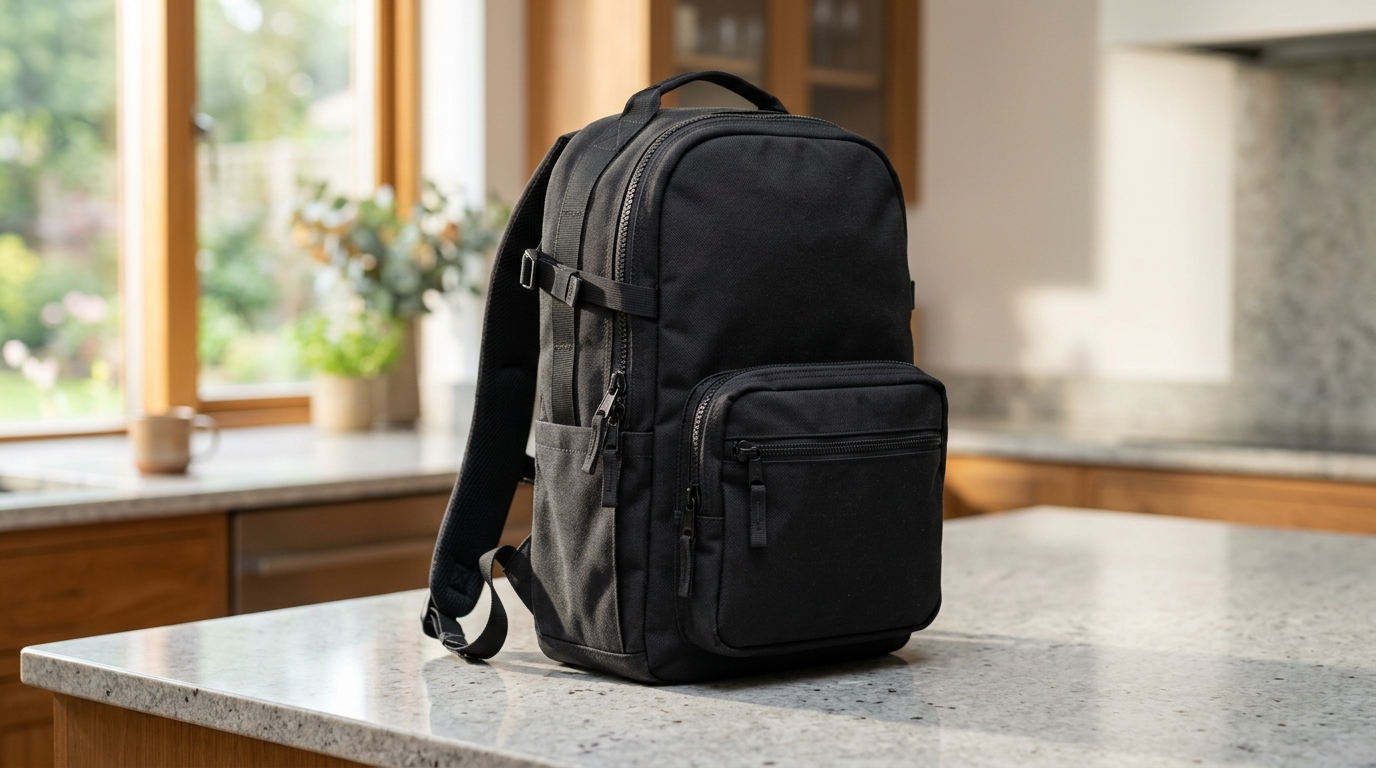
The JanSport SuperBreak One is a single-main-compartment backpack designed around simplicity and everyday durability rather than an extensive list of specialized pockets or compartments. It includes one primary storage area along with a front utility pocket that has a built-in organizer, intended to keep smaller items like pens, keys, or a phone separated from larger contents like books or folders.
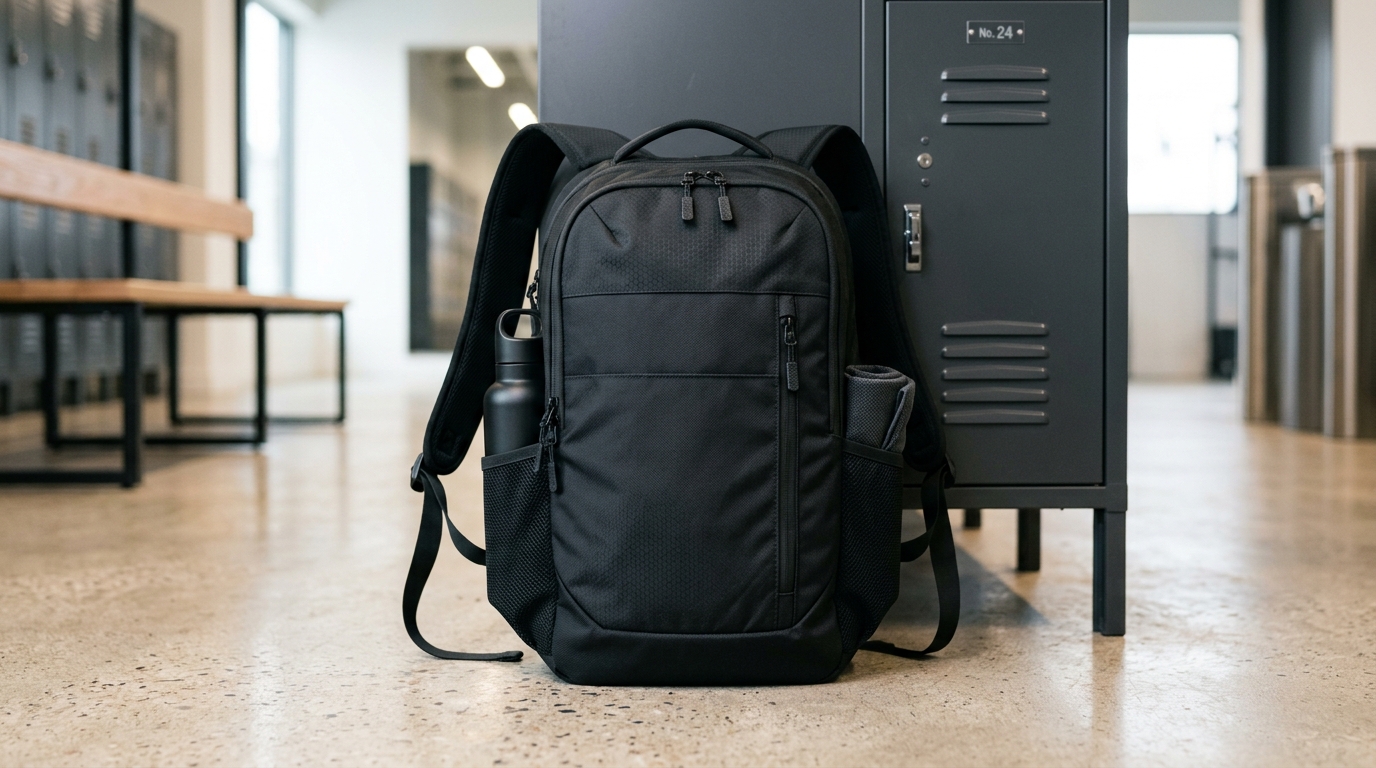
Finished in black, the backpack is positioned as a straightforward, dependable option for students, commuters, or anyone who wants a lightweight bag suited to daily use without unnecessary complexity. Its core purpose is to provide reliable, everyday carrying capacity in a design that prioritizes durability and simplicity over an extensive feature list.
Key Features
Single Main Compartment
The backpack is built around one large main compartment, designed to hold books, folders, a change of clothes, or other bulkier everyday items without the bag being divided into multiple smaller sections that can make packing and finding things more complicated. This kind of single-compartment design is generally intended to maximize usable interior space while keeping the overall bag lightweight.
Front Utility Pocket with Built-In Organizer
In addition to the main compartment, the bag includes a smaller front pocket equipped with a built-in organizer, designed to keep smaller items like pens, a phone, keys, or other loose essentials separated from the bulkier contents of the main compartment. This is intended to reduce the amount of digging typically required to locate smaller items buried at the bottom of a single large compartment.
Lightweight Construction
The overall build of this backpack is designed to prioritize a lightweight feel, which may be particularly relevant for students or commuters who carry the bag for extended periods throughout the day and want to minimize added strain, especially when the bag itself is already loaded with books or other heavier items.
Durable Fabric and Stitching
As with most JanSport backpacks, this model is designed with an emphasis on everyday durability, generally relying on sturdy fabric construction and reinforced stitching at stress points like the straps and main compartment zipper, intended to hold up to the repeated use, tossing, and general wear that a daily bag typically experiences.
Adjustable Shoulder Straps
The backpack includes adjustable shoulder straps, designed to accommodate different body sizes and carrying preferences, allowing the bag to be worn higher or lower depending on individual comfort and typical use, such as commuting, walking to class, or general daily errands.
Classic, Versatile Design
The overall design leans toward a classic, versatile silhouette rather than an especially trend-specific or elaborate look, which is generally intended to keep the backpack suitable across a range of settings, from school to casual everyday use, without appearing overly specialized for any one context.
Materials and Design
The exterior fabric is designed to offer a reasonable balance between durability and lightweight feel, a common design goal across everyday backpacks in this general category. Manufacturers generally choose fabrics for bags like this based on their resistance to everyday wear — scuffing against floors, being tossed into lockers or car trunks, and general daily handling — without adding excessive bulk or weight to the finished product.
The single main compartment is generally closed with a zipper running along its top or side, designed to keep contents secure during transport while remaining easy to open and close repeatedly throughout a typical day. The front utility pocket, with its built-in organizer, adds a layer of internal structure to that smaller pocket specifically, generally including small dividers or slots intended for pens, cards, or other frequently accessed small items.
The shoulder straps are typically padded to some degree and designed to be adjustable, allowing the bag to sit at different heights on the back depending on the wearer’s height and preference. Stitching at high-stress points, such as where the straps attach to the main body of the bag, is generally reinforced to help the backpack hold up better over time compared to bags with more basic construction at those same stress points.
Performance
Performance in a simple backpack like this generally comes down to a few practical factors: how well it holds up to daily wear over time, how comfortable it remains when loaded with typical daily items, and how effectively its single compartment and one utility pocket handle the range of things people tend to carry day to day. The single main compartment is designed to accommodate bulkier items like textbooks, folders, or a light jacket, while the front utility pocket is intended to handle smaller essentials separately.
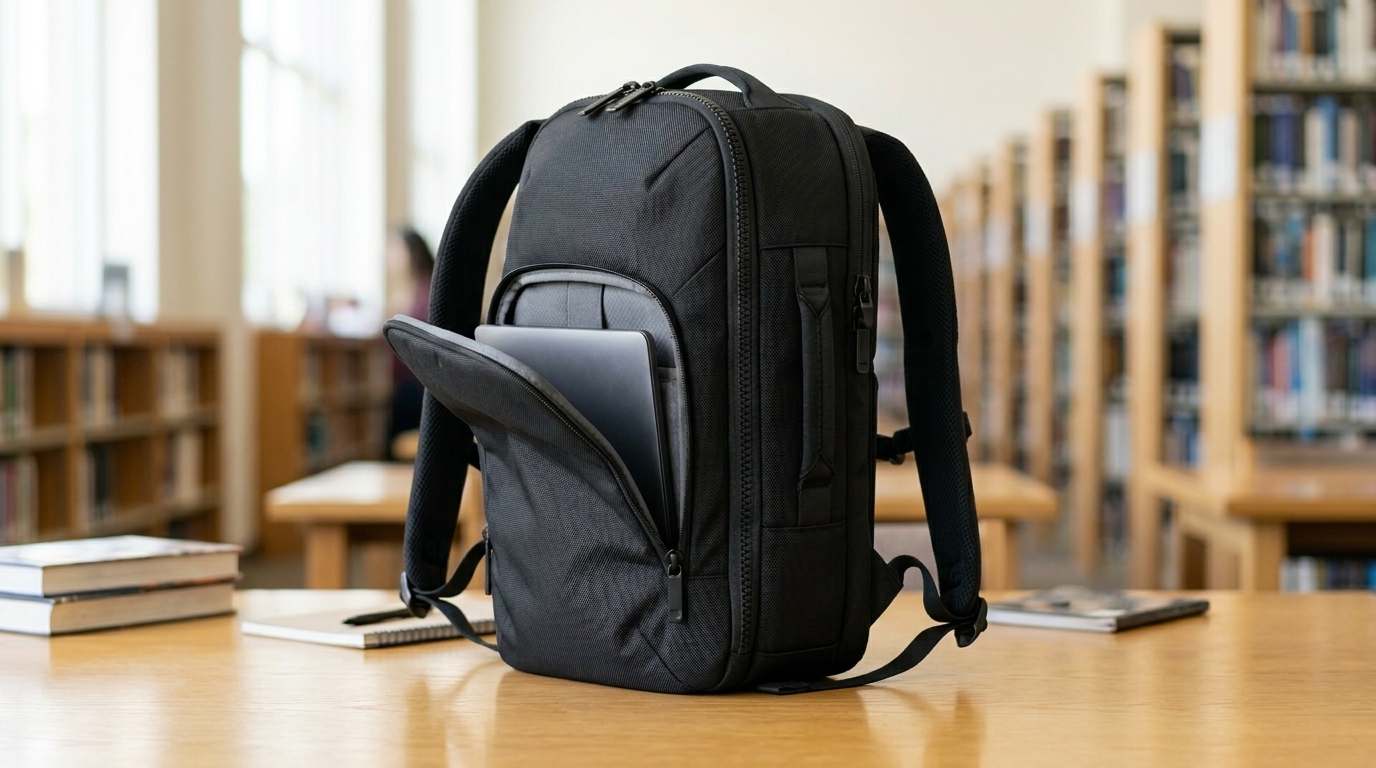
Because this design doesn’t include a dedicated padded laptop sleeve or multiple specialized compartments, how well it performs for a given person depends significantly on what they’re actually planning to carry regularly. For those who mainly need to transport books, notebooks, and everyday items, the single-compartment layout is generally straightforward and effective. For those specifically needing padded laptop protection or many separate compartments for organization, this simpler design may require some adaptation, such as using a separate laptop sleeve inside the main compartment.
As with any backpack, actual comfort and durability will also depend on factors like how heavily the bag is loaded on a regular basis, how it’s carried (both straps versus one), and general day-to-day handling.
Common Uses
This type of simple, single-compartment backpack is generally suited for:
- Students carrying books, folders, and school supplies, using the main compartment for bulkier items and the front pocket for smaller essentials like pens or a calculator.
- Daily commuting, where a lightweight, straightforward bag may be preferable to a bulkier, more heavily divided backpack.
- Casual everyday use, such as running errands or carrying a light change of clothes, given the bag’s classic, versatile design.
- Carrying a laptop with an added sleeve, since the main compartment can accommodate a laptop, though a separate protective sleeve is generally advisable given the lack of a dedicated padded laptop section.
- Travelers wanting a simple daypack, using the single compartment for basic items during day trips or short outings.
- Anyone who prefers a no-frills bag, given the design’s focus on straightforward functionality rather than an extensive list of specialized pockets.
Advantages
- Straightforward, uncomplicated design: The single main compartment may be easier to pack and search through compared to bags with many smaller divided sections.
- Lightweight construction: This may reduce overall strain during extended daily wear, particularly when the bag is already loaded with books or other items.
- Reinforced durability at stress points: Reinforced stitching at straps and other high-wear areas is designed to help the bag hold up to daily use over time.
- Organized front pocket: The built-in organizer in the utility pocket may help keep smaller items separated and easier to locate compared to a single undivided compartment.
- Versatile, classic look: The design is generally suited to a range of settings, from school to casual daily use, without appearing overly specialized.
- Adjustable straps for comfort: This allows the bag to be customized somewhat for different body types and personal carrying preferences.
Things to Consider
A handful of practical points are worth reviewing before purchasing:
- No dedicated padded laptop compartment: Anyone specifically planning to carry a laptop regularly may want to pair this bag with a separate protective sleeve, since the main compartment isn’t designed with built-in laptop padding.
- Single compartment may not suit heavy organizational needs: Those who prefer many small, dedicated compartments for specific items may find this design too simple compared to backpacks built around a more segmented internal layout.
- Capacity limitations for bulkier hauling needs: While suitable for everyday items, this style of backpack may not be the best fit for those needing to carry particularly bulky or heavy loads on a regular basis.
- Basic strap padding: Depending on typical load weight, some users may find the strap padding adequate for lighter daily use but less ideal for consistently heavier loads over long periods.
- Personal preference for style and features: As with any backpack, whether this simpler design suits a given person’s daily habits and organizational preferences ultimately comes down to individual use patterns rather than a fixed shortcoming of the bag itself.
Comparison with Similar Product Categories
Compared to backpacks with multiple specialized compartments, this single-compartment design is generally built for simplicity and ease of packing, which may appeal to those who prefer a more straightforward bag, while more segmented backpacks may better serve those who want dedicated spaces for specific items like a laptop, water bottle, or tablet.
Compared to backpacks with a dedicated padded laptop sleeve, this model requires an additional accessory for proper laptop protection, whereas laptop-specific backpacks build that protection directly into the bag’s design, generally at the cost of some added bulk and weight.
Compared to larger hiking or travel backpacks, this style is generally designed for everyday, lighter-duty carrying rather than extended outdoor use or heavier gear, making it a better fit for daily school or commuting needs than for backpacking or camping-style trips.
Compared to other simple, single-compartment bookbags on the market, differences generally come down to specific details like fabric durability, strap padding, and brand-specific construction quality, which can affect how well a given bag holds up to years of regular daily use.
Maintenance and Care
Proper care can help extend the lifespan of a backpack like this considerably. General maintenance recommendations typically include:
- Emptying the bag regularly, removing any trash, crumbs, or loose debris that can accumulate at the bottom of the main compartment over time.
- Spot cleaning as needed, using a damp cloth and mild soap to address stains or dirt on the fabric exterior, rather than fully submerging the bag unless the manufacturer specifically indicates it’s machine washable.
- Air drying thoroughly after any cleaning, avoiding direct heat sources like a dryer, which can potentially damage the fabric or affect the shape of the bag over time.
- Checking zippers periodically for smooth operation, and avoiding forcing a zipper that seems to be catching, since doing so can damage the zipper track over time.
- Inspecting straps and stitching occasionally for early signs of wear, particularly at high-stress attachment points, so any issues can be addressed before they worsen.
- Storing the bag in a dry location when not in use, avoiding prolonged exposure to damp conditions that could lead to mildew or fabric damage over time.
Following any specific manufacturer care instructions, when provided, remains the most reliable way to maintain the backpack’s condition and extend its usable lifespan.
Frequently Asked Questions
1. How many main compartments does this backpack have? It has one main compartment, along with a smaller front utility pocket that includes a built-in organizer.
2. Does this backpack have a padded laptop sleeve? No, this model doesn’t include a dedicated padded laptop compartment, so a separate protective sleeve is generally recommended for laptop carrying.
3. Is this backpack suitable for daily school use? Yes, its single-compartment design and front utility pocket are generally well suited to carrying books, folders, and everyday school supplies.
4. What is the front utility pocket organizer designed for? It’s designed to hold smaller items like pens, keys, or a phone separately from the bulkier contents of the main compartment.
5. Is the backpack machine washable? This can vary, so checking the manufacturer’s specific care instructions is recommended before washing; spot cleaning is generally a safer default approach.
6. Are the shoulder straps adjustable? Yes, the straps are designed to be adjustable, allowing the bag to be customized for different body sizes and carrying preferences.
7. Is this backpack heavy on its own? It’s designed with lightweight construction in mind, intended to minimize added strain during extended daily wear, especially once loaded with books or other items.
8. Can this backpack be used for travel? It can work well as a simple daypack for short trips or outings, though it’s generally more suited to everyday carrying than extended travel or heavier gear.
9. How durable is the stitching on this bag? Stress points like the strap attachments are generally reinforced with sturdier stitching, intended to help the bag hold up better to daily wear over time.
10. Does this backpack have side pockets for a water bottle? This model is primarily built around its single main compartment and front utility pocket; specific side pocket details should be confirmed based on exact product specifications.
11. Is this a good option for someone who prefers a simple, no-frills bag? Yes, its straightforward, single-compartment design is generally geared toward those who prefer simplicity over an extensive list of specialized pockets.
12. How should I clean this backpack? Spot cleaning with a damp cloth and mild soap is generally recommended, along with regularly emptying the bag and allowing it to air dry fully after any cleaning.
Final Thoughts
The JanSport SuperBreak One Backpack reflects a straightforward, no-frills approach to everyday bag design, prioritizing a single spacious main compartment and one organized utility pocket over an extensive list of specialized compartments. With its lightweight construction, reinforced stitching, and classic, versatile look, it’s built to serve students, commuters, and anyone who wants a dependable daily bag without unnecessary complexity.
As with any backpack purchase, whether this particular model fits a given person’s needs ultimately depends on factors like typical daily carrying habits, whether laptop protection is a priority, and personal preference for simple versus heavily segmented internal organization. Reviewing the manufacturer’s specifications ahead of time can help set realistic expectations before it becomes part of a daily routine.