Introduction
Choosing a backpack might seem like a straightforward decision, but for many people it turns into a more involved process once they start comparing capacity, compartment layout, comfort, and durability. A backpack is one of those everyday items that gets used constantly, whether for commuting, school, gym sessions, travel, or simply carrying essentials from one place to another. Because of this frequent use, small design details can end up making a noticeable difference in day-to-day comfort and convenience.
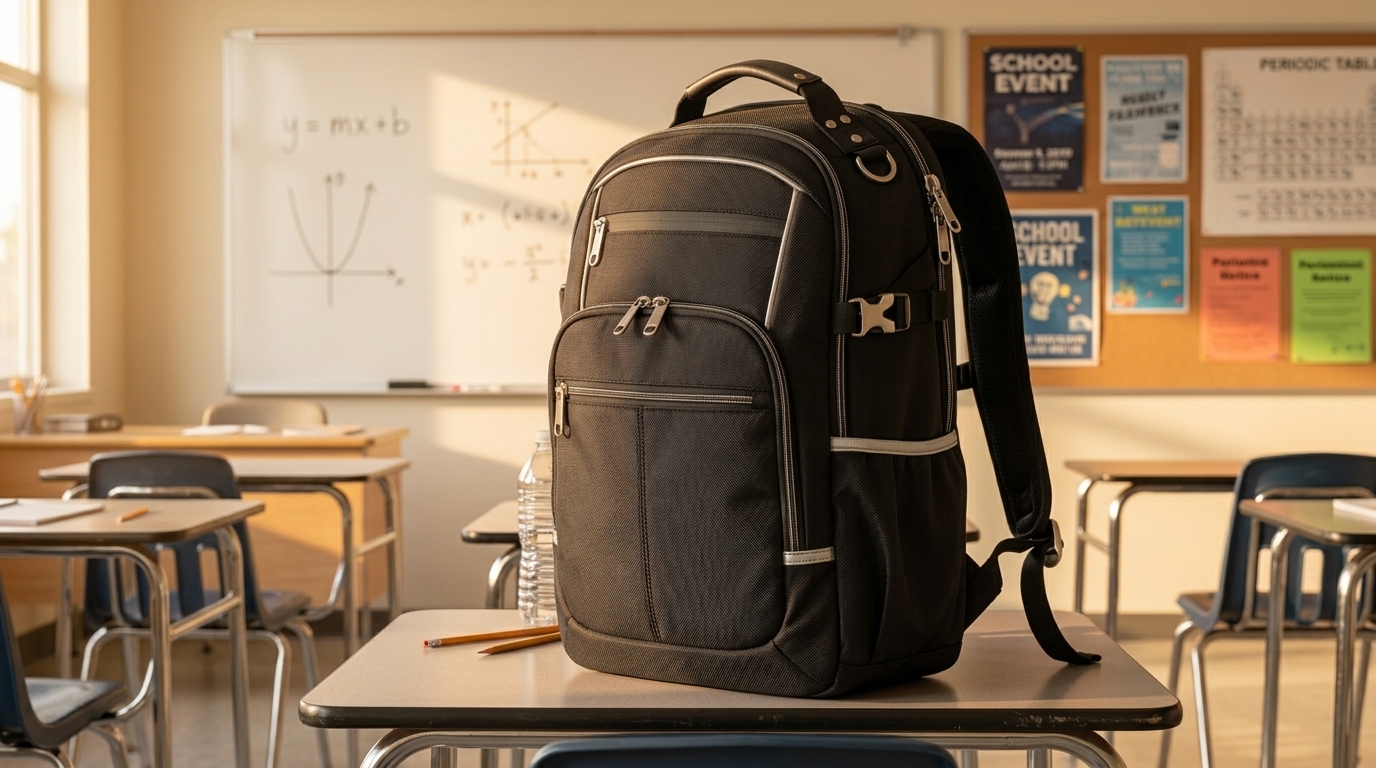
The Nike Varsity Elite Backpack, offered in a 32-liter capacity and finished in a black and metallic silver colorway, falls into the category of general-purpose backpacks designed to handle a wide range of everyday carrying needs. This article takes a closer, educational look at what this type of backpack generally offers, the kinds of features commonly found in bags of this style, and some practical considerations that may help someone determine whether it fits their lifestyle. The goal here is not to promote the product aggressively, but to provide a balanced, informative overview that can support an informed decision.
Product Overview
The Nike Varsity Elite Backpack is a unisex backpack with a listed capacity of 32 liters, presented in a black, black, and metallic silver color combination, and offered in a single, one-size format intended to accommodate most users. As a 32-liter bag, it falls into a mid-to-large capacity range within the general backpack category, positioning it as a bag that can typically handle more than a minimalist daypack but generally less than a large hiking or travel backpack.
Backpacks of this general size and style are usually designed with everyday versatility in mind, aiming to serve a broad range of purposes rather than being built exclusively for one specific activity. This often means a combination of a main storage compartment, additional pockets for smaller items, and design elements intended to support comfortable carrying over the course of a day. The “Varsity” naming convention often suggests a design language rooted in sport and athletic aesthetics, which is a common theme across many backpacks marketed toward students, athletes, and general daily use.
Key Features
32-Liter Capacity
A 32-liter capacity is generally considered a mid-to-large size within the backpack category. This volume is often large enough to accommodate items such as clothing for a day trip, a laptop, notebooks, gym gear, or a combination of daily essentials, depending on how the bag’s internal compartments are organized. For students or commuters, this capacity range is frequently seen as a practical middle ground — larger than a compact daypack, but more manageable in size and weight than backpacks built specifically for multi-day travel.
Multiple Compartments
Bags in this general style are often designed with more than one storage compartment, which may include a larger main section, a secondary compartment for organization, and smaller front pockets for frequently accessed items such as keys, a phone, or small accessories. Multiple compartments can be useful for keeping belongings organized and preventing smaller items from getting lost within a larger, single-section bag.
Adjustable Shoulder Straps
Adjustable straps are a standard feature across most everyday backpacks, generally designed to let users customize the fit based on their height and how they prefer to carry the bag. Proper strap adjustment can play a meaningful role in overall comfort, particularly when the bag is carrying a heavier load or being worn for extended periods.
Padded Back Panel
Many backpacks in this size and category, including bags styled similarly to the Varsity Elite, are designed with a padded back panel intended to improve comfort against the wearer’s back and to provide a degree of structure to the bag itself. This padding may also help protect certain contents, such as a laptop, from direct pressure during carrying.
Durable Exterior Material
Backpacks intended for daily and athletic use are typically constructed from synthetic materials such as polyester or nylon blends, chosen for their general durability and resistance to everyday wear. The specific material composition can affect how the bag holds up over time, as well as its overall weight and water resistance.
Metallic Silver Accents
The metallic silver detailing mentioned in the product name is generally a design element intended to add visual contrast to the predominantly black colorway. Accent colors and branding details like this are common in backpacks marketed for both casual and athletic use, offering a way to differentiate the bag’s appearance without dramatically altering its structure or function.
One-Size, Unisex Design
Described as one-size and unisex, this backpack is generally designed to suit a broad range of body types rather than being tailored to a specific gender or age group. This approach is common in backpacks intended for general, everyday use rather than specialized applications like technical hiking packs, which sometimes come in multiple sizes to accommodate different torso lengths.
Materials and Design
The construction of backpacks in this general category typically involves a combination of synthetic fabrics, reinforced stitching at stress points, and various hardware components such as zippers, buckles, and strap adjusters. The choice of material is generally intended to balance durability with manageable weight, since a bag that is too heavy on its own can reduce the practical carrying capacity available for actual belongings.
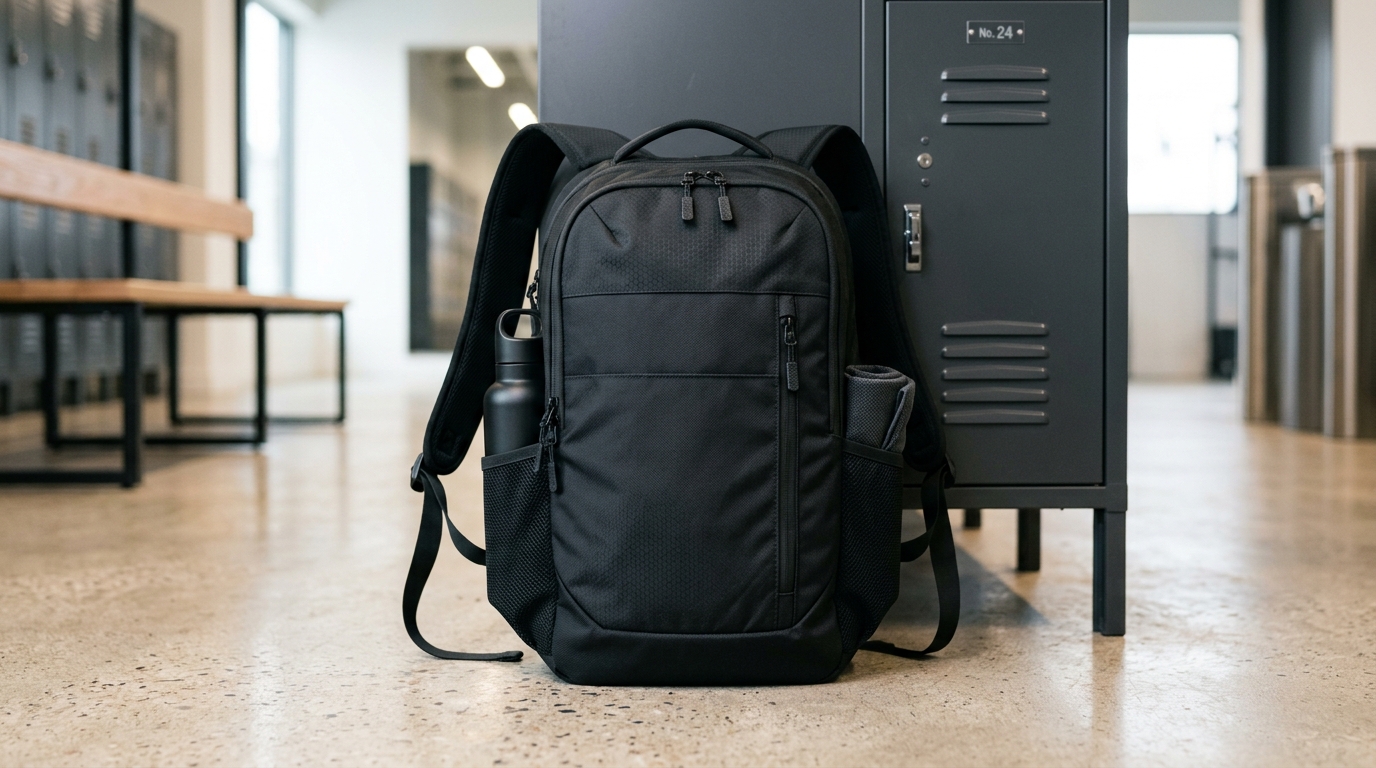
The black and metallic silver color scheme reflects a fairly common design approach in athletic-inspired backpacks, where a neutral base color is paired with a secondary accent to create visual interest without being overly bold or attention-drawing. This type of colorway tends to be versatile, generally suited to a range of settings from school and work environments to gym and casual outings.
Zippers and closures on bags like this are typically designed for daily durability, intended to withstand frequent opening and closing without premature wear. Some backpacks in this category may also include reflective elements or branding details, which can serve both aesthetic and, in some cases, functional purposes such as visibility in low-light conditions, though this can vary depending on the specific design of the bag.
The overall silhouette of a 32-liter backpack tends to be structured enough to hold its shape when partially empty, while still offering enough internal volume to expand somewhat when packed more fully. This structural balance is generally a design consideration in bags meant for versatile, everyday use rather than highly specialized applications.
Performance
When discussing performance in the context of a backpack, the relevant considerations generally include comfort during wear, durability over repeated use, and how effectively the bag’s compartments support organization and access to belongings. A 32-liter capacity is designed to offer a reasonably generous amount of storage space, which may be well-suited to users who need to carry a moderate to large volume of items on a regular basis, such as students carrying books and a laptop, or individuals packing gear for a day at the gym.
Comfort during extended wear is often influenced by factors such as strap padding, back panel design, and how evenly weight is distributed within the bag when packed. Users are generally encouraged to distribute heavier items closer to the back panel and to make use of multiple compartments to avoid overloading any single section, which can affect both comfort and the bag’s structural integrity over time.
Durability performance can vary based on factors such as frequency of use, the types of items carried, and environmental conditions the bag is exposed to, including exposure to moisture or rough surfaces. As with most everyday carry items, following any care instructions provided with the product is generally the most reliable way to help support long-term durability.
Common Uses
A backpack of this size and style tends to be used across a fairly wide range of everyday scenarios, including:
- Daily commuting to school, university, or a workplace, where a moderate to large capacity can accommodate books, a laptop, and personal items
- Gym and athletic activities, where the bag may be used to carry workout clothes, shoes, and accessories
- Day trips or short outings that require more than a minimal daypack but do not call for a full travel backpack
- General errands, where multiple compartments can help keep items organized while moving between locations
- Carrying technology and school or work supplies, particularly if the bag includes a padded compartment suited to protecting a laptop or tablet
Because the bag is described as unisex and one-size, it is generally positioned as a flexible option suited to a broad audience rather than a niche or highly specialized use case.
Advantages
Based on the general characteristics associated with backpacks in this category and size range, several potential advantages may be worth considering:
- Generous capacity: A 32-liter volume may accommodate a wide variety of daily carrying needs, from school supplies to gym gear, without requiring multiple bags.
- Organizational structure: Multiple compartments are generally designed to help users keep belongings sorted and easily accessible, which can be useful for reducing time spent searching for items.
- Comfort-oriented design elements: Features such as padded straps and a padded back panel are intended to support comfortable wear, particularly when the bag is carrying a moderate to heavy load.
- Versatile aesthetic: The black and metallic silver colorway is generally considered a neutral, adaptable option that may suit a range of settings, from academic and professional environments to casual and athletic use.
- Broad usability: The unisex, one-size design is intended to make the bag accessible to a wide range of users without the need to select a specific size or gendered version.
Things to Consider
While there are potential benefits associated with this type of backpack, there are also factors that may be worth evaluating based on individual needs and preferences:
- Size and bulk: A 32-liter capacity, while versatile, may feel larger than necessary for individuals who typically carry only a small number of items on a daily basis. In such cases, a smaller daypack might be a more efficient choice.
- Weight when fully packed: Larger-capacity backpacks can become heavy when filled to capacity, which may affect comfort during extended periods of wear, particularly if the load is not distributed evenly.
- Specific compartment needs: Depending on individual requirements, such as a dedicated padded laptop sleeve or specialized pockets for particular items, it may be worth reviewing the bag’s internal layout closely to confirm it aligns with specific organizational needs.
- Climate and weather exposure: While many backpacks offer a degree of resistance to light moisture, they are not generally designed to be fully waterproof, so additional protection may be necessary in heavy rain or wet conditions.
- Personal style preferences: Although the black and metallic silver colorway is generally versatile, individual aesthetic preferences vary, and some users may prefer alternative color options if available.
Comparison with Similar Product Categories
When compared to smaller daypacks, typically ranging from around 15 to 20 liters, a 32-liter backpack like this one generally offers significantly more storage capacity, which can be advantageous for users who need to carry a larger volume of items regularly. However, this increased capacity often comes with a corresponding increase in overall bag size and potential weight when packed, which may not be necessary for users with more minimal daily carrying needs.
In comparison to larger travel or hiking backpacks, which are frequently designed with capacities exceeding 40 or 50 liters and often include specialized features such as hip belts, multiple external attachment points, or hydration system compatibility, a 32-liter everyday backpack tends to prioritize general versatility over specialized outdoor or travel functionality. This makes it more suited to daily use rather than extended trips or backcountry activities.
Relative to specialized laptop bags or messenger-style bags, backpacks in this category generally offer a more even distribution of weight across both shoulders, which some users find more comfortable for carrying heavier loads over longer periods, compared to single-strap alternatives. However, laptop-specific bags may sometimes include more targeted padding or organizational features designed exclusively around protecting electronics, which is a factor worth considering depending on individual priorities.
Ultimately, the most suitable backpack category depends on factors such as typical daily carrying volume, intended use cases, and personal preferences regarding comfort, organization, and overall bag size.
Care and Maintenance
Maintaining a backpack over time generally involves a combination of routine cleaning and mindful use. While specific care instructions can vary by manufacturer and material composition, some general maintenance practices commonly associated with backpacks in this category include:
- Emptying the bag regularly to remove debris, crumbs, or small items that can accumulate in pockets and compartments over time.
- Spot cleaning the exterior with a damp cloth and mild soap, which is often recommended for synthetic fabric backpacks rather than fully submerging or machine washing the bag, unless manufacturer guidelines specifically indicate that this is safe.
- Air drying thoroughly after any cleaning or exposure to moisture, to help prevent the development of odors or material degradation over time.
- Inspecting zippers and straps periodically for signs of wear, and addressing minor issues such as loose threads promptly to help prevent further damage.
- Storing the bag in a dry area when not in use, avoiding prolonged exposure to direct sunlight or damp conditions that could affect the material or coloring over time.
Following any specific care instructions included with the product is generally the most reliable approach, as recommendations can vary depending on the exact materials and construction used.
Frequently Asked Questions
1. What does a 32-liter capacity generally mean in practical terms? It refers to the approximate internal volume of the bag, which is generally considered suitable for carrying a moderate to large amount of daily items, such as books, clothing, or gym gear, depending on how the space is used.
2. Is this backpack suitable for school use? Many backpacks in this size and style are commonly used by students, as the capacity and compartment structure are generally well-suited to carrying books, a laptop, and other daily school supplies.
3. Can this backpack be used for air travel as a carry-on? Carry-on size restrictions vary by airline, so it is generally recommended to check specific airline guidelines to confirm whether a 32-liter backpack meets carry-on requirements for a particular trip.
4. Does this backpack include a padded laptop compartment? Compartment details can vary, so reviewing the specific product listing or accompanying documentation is generally the best way to confirm whether a dedicated laptop sleeve is included.
5. Is the backpack water-resistant? Many backpacks made from synthetic materials offer some degree of resistance to light moisture, though this generally does not mean the bag is fully waterproof, so caution during heavy rain is advisable.
6. Is this backpack appropriate for gym or athletic use? Given its general size and design category, this type of backpack is often used to carry gym clothing, shoes, and accessories, making it a reasonably versatile option for athletic use as well as daily activities.
7. How adjustable are the shoulder straps? Most backpacks in this category include adjustable straps designed to accommodate a range of body types and carrying preferences, though the exact range of adjustment can vary by model.
8. Is this backpack suitable for both men and women? Yes, it is described as a unisex design, generally intended to suit a broad range of users regardless of gender.
9. How should I clean this backpack? Spot cleaning with a damp cloth and mild soap is generally recommended for synthetic backpacks, along with thorough air drying, though checking any specific manufacturer care instructions is advisable.
10. How much weight can a bag of this size typically hold comfortably? This can vary based on individual strength, how the load is distributed, and the specific construction of the bag, so it is generally advisable to avoid overloading any single compartment and to distribute weight evenly.
11. Does the bag include multiple compartments for organization? Backpacks in this general style typically include a main compartment along with additional smaller pockets, though specific configurations can vary, so reviewing the product details is recommended for exact information.
12. Is this backpack a good option for daily commuting? Given its capacity and general design intent, this type of backpack is commonly used for daily commuting, offering enough space for work or school essentials along with additional personal items.
Final Thoughts
The Nike Varsity Elite Backpack, with its 32-liter capacity and black and metallic silver colorway, represents a fairly typical example of a versatile, everyday backpack designed to accommodate a broad range of daily carrying needs. Its combination of a generous main compartment, additional organizational pockets, and comfort-focused design elements positions it as a practical option for students, commuters, and individuals looking for a functional bag suited to both casual and athletic use.
As with any backpack purchase, individual factors such as typical daily carrying volume, specific organizational needs, and personal style preferences should guide the decision-making process. Reviewing the specific product details and any included specifications can help ensure that this type of backpack aligns well with a particular user’s everyday requirements.